


At Drobocky Orthodontics, Dr. Eric Shrestha evaluates patients in Franklin, KY and surrounding communities to see whether Invisalign may be a good option. Closing a gap is not only about moving two teeth together. The nearby teeth and bite also need to stay in proper positions as treatment moves forward.
What Types of Tooth Gaps May Be Treated With Invisalign?
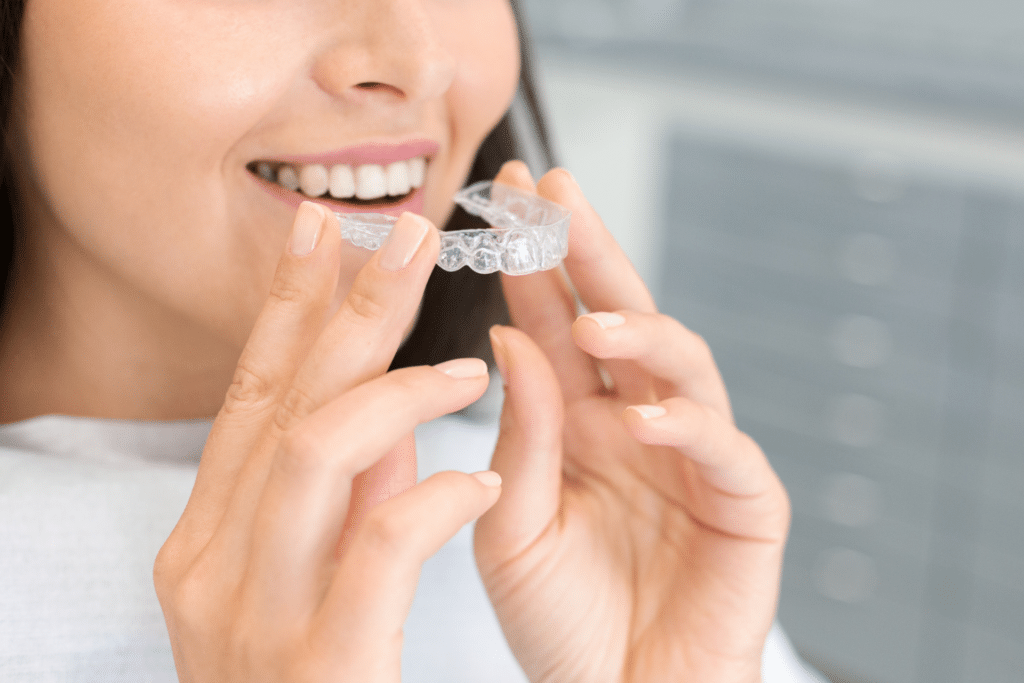
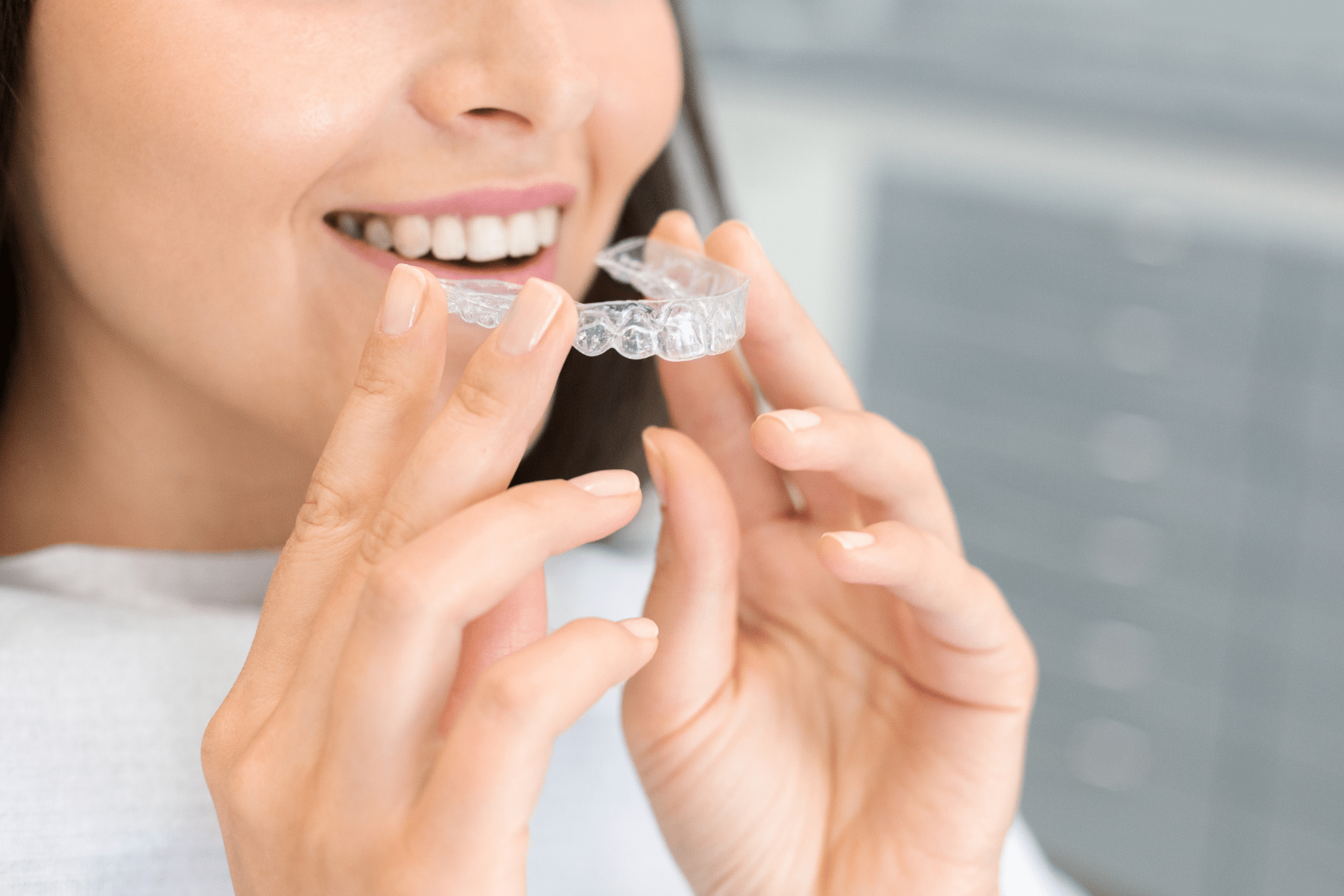
Invisalign uses a series of clear, removable aligners to move teeth in small steps. Each set builds on the one before it and guides the teeth toward their planned positions.
A gap between the upper front teeth may need a different type of movement than spaces farther back in the mouth. Some teeth may need to rotate, stand more upright, or change angle before the space can close. Several smaller gaps across the upper or lower teeth may also respond to aligner treatment.
Spacing can happen for different reasons. Some people have teeth that are small compared with the size of their jaw. Others may have one clear gap even though the rest of their teeth are fairly straight.
The American Association of Orthodontists explains in its guide to teeth spacing that clear aligners may be an option for mild to moderate spacing. The cause and size of the gaps, along with other alignment needs, help show whether aligners may work well.
Can Several Tooth Gaps Be Closed at the Same Time?
Yes. Several gaps can often be treated during the same course of Invisalign treatment instead of being closed one at a time.
Tooth movement can be planned across the whole arch. Several teeth may move toward one another in steps. In other cases, certain teeth may need to move first so the space is shared more evenly before the gaps are closed.
The amount of spacing and the position of the teeth can affect how complex treatment is. Several gaps with rotated teeth or bite problems may need more steps than one small gap.
Wearing the aligners as directed is also important. Because the trays are removable, leaving them out for too long can slow progress. It can also make it harder for the next set of aligners to fit as planned.
When Can a Tooth Gap Need Additional Dental Care?
Some gaps involve more than tooth position. Missing teeth, small teeth, or changes in gum and bone support may call for dental care along with orthodontic treatment.
If a permanent tooth is missing, nearby teeth may sometimes be moved together to close the space. In other cases, orthodontic treatment can move the surrounding teeth into positions that leave enough room for a future implant, bridge, or another tooth replacement.
Small or narrow teeth can create a different issue. Moving them together may close the gaps but leave the teeth looking out of proportion. Orthodontic treatment may first move the teeth into better positions. A dentist may then suggest bonding or another treatment if needed.
A new or growing gap in an adult should also be checked. Gum disease or bone loss can allow teeth to shift. Those problems may need care before orthodontic treatment begins.
Not every natural gap needs treatment. If a small space does not affect your bite, oral health, or smile goals, you may choose to leave it as it is.
What Matters Most Before Starting Treatment?
The key question is not only whether Invisalign can close a visible space. Your orthodontist also needs to look at nearby teeth, your bite, oral health, and the reason the gap is there.
Treatment starts with a full exam of the teeth and bite. For Invisalign, Drobocky Orthodontics uses an iTero Scanner to create digital scans of the teeth. These scans give a three-dimensional view that can help with treatment planning.
Some cases are simple. Others include uneven spacing, rotated teeth, or bite problems that need treatment at the same time. These details can affect the treatment plan and how long treatment may take.
A gap may look much smaller before treatment is done. The teeth may still need more movement to improve alignment or finish bite correction.
Retainers are also important after treatment. Teeth can shift, and spaces can reopen. Wearing retainers as directed helps hold the teeth in their new positions.
Ready to Find Out Whether Invisalign Can Close Your Gaps?
Tooth gaps can look similar but have different causes. An orthodontic exam can show whether Invisalign, another orthodontic option, or added dental care may be the better choice for your needs.
At Drobocky Orthodontics, Dr. Shrestha can evaluate your spacing, bite, and overall orthodontic needs and explain your options. Schedule a consultation in Franklin, KY to learn which treatment approach may be right for your smile.