


At Drobocky Orthodontics, Dr. Eric Shrestha helps patients in Bowling Green, KY and surrounding communities understand their orthodontic options. An exam can help show which type of braces may fit your smile, daily routine, and treatment needs.
Why Are Metal Brackets Usually More Durable Than Ceramic Brackets?
The main difference is the material. Metal brackets can handle impact better, while ceramic brackets are more fragile. This does not mean ceramic braces are weak or likely to break during normal treatment.
Braces move teeth with steady pressure. Both metal and ceramic brackets are made to work with those forces. Problems are more likely when a bracket is hit, bitten against, or placed under extra pressure from food or habits.
Where a bracket sits can matter too. If a tooth keeps hitting a bracket when you bite or chew, your orthodontist can check the contact and decide whether the appliance needs an adjustment.
What Foods and Habits Can Damage Ceramic Brackets?
Hard, sticky, and difficult-to-bite foods can put extra stress on braces. Ice, hard candy, unpopped popcorn kernels, nuts, caramel, taffy, and chewing gum are common examples.
You do not have to avoid every firm food. Cut apples, raw carrots, and similar foods into small pieces instead of biting into them with your front teeth. Remove corn from the cob and cut meat away from bones.
The American Association of Orthodontists offers practical guidance on eating with braces and recommends avoiding foods that may break brackets, loosen wires, or put too much pressure on the appliance.
Daily habits can cause damage too. Chewing on pens, pencils, fingernails, or bottle caps puts extra force on braces. Using your teeth to open packages, tear tape, or remove tags can also harm your braces and enamel.
These steps are useful with any type of fixed braces. They are especially helpful with ceramic brackets because the material is more fragile than metal.
How Can You Protect Ceramic Braces During Daily Activities?
Ceramic braces do not stop you from playing sports or following your normal routine. The main goal is to protect your mouth and avoid direct blows to the appliance.
A mouthguard made for orthodontic treatment can help protect your teeth and braces during contact sports. It can also lower the chance of brackets or wires cutting your lips or cheeks after a hit.
Daily cleaning matters too. Brush above, below, and around each bracket so plaque and food do not collect near the wire or gumline. Floss between your teeth every day. Floss threaders, orthodontic floss, small interdental brushes, or a water flosser may make cleaning easier.
Clear or tooth-colored braces and elastic ties can discolor from certain foods and habits. Good brushing and oral hygiene can help keep the appliance and your teeth looking cleaner during treatment.
If a bracket comes loose or breaks, call the orthodontic office instead of trying to fix it yourself. The team can tell you whether you need an appointment. Orthodontic wax may also help if a loose part rubs your cheek or lip.
What Should You Keep in Mind About Ceramic and Metal Braces?
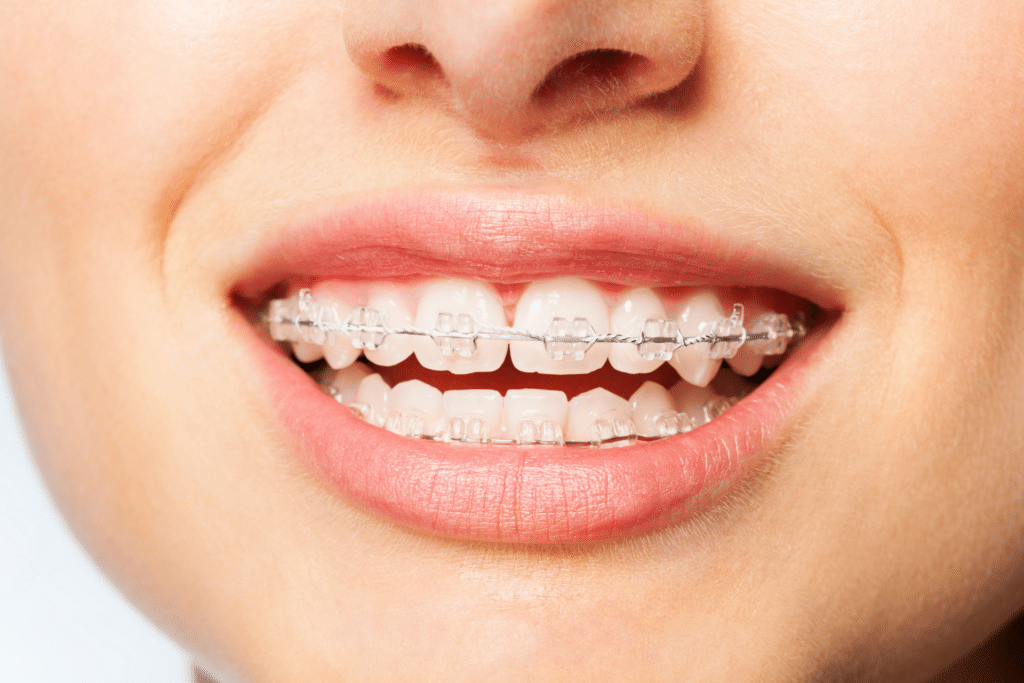
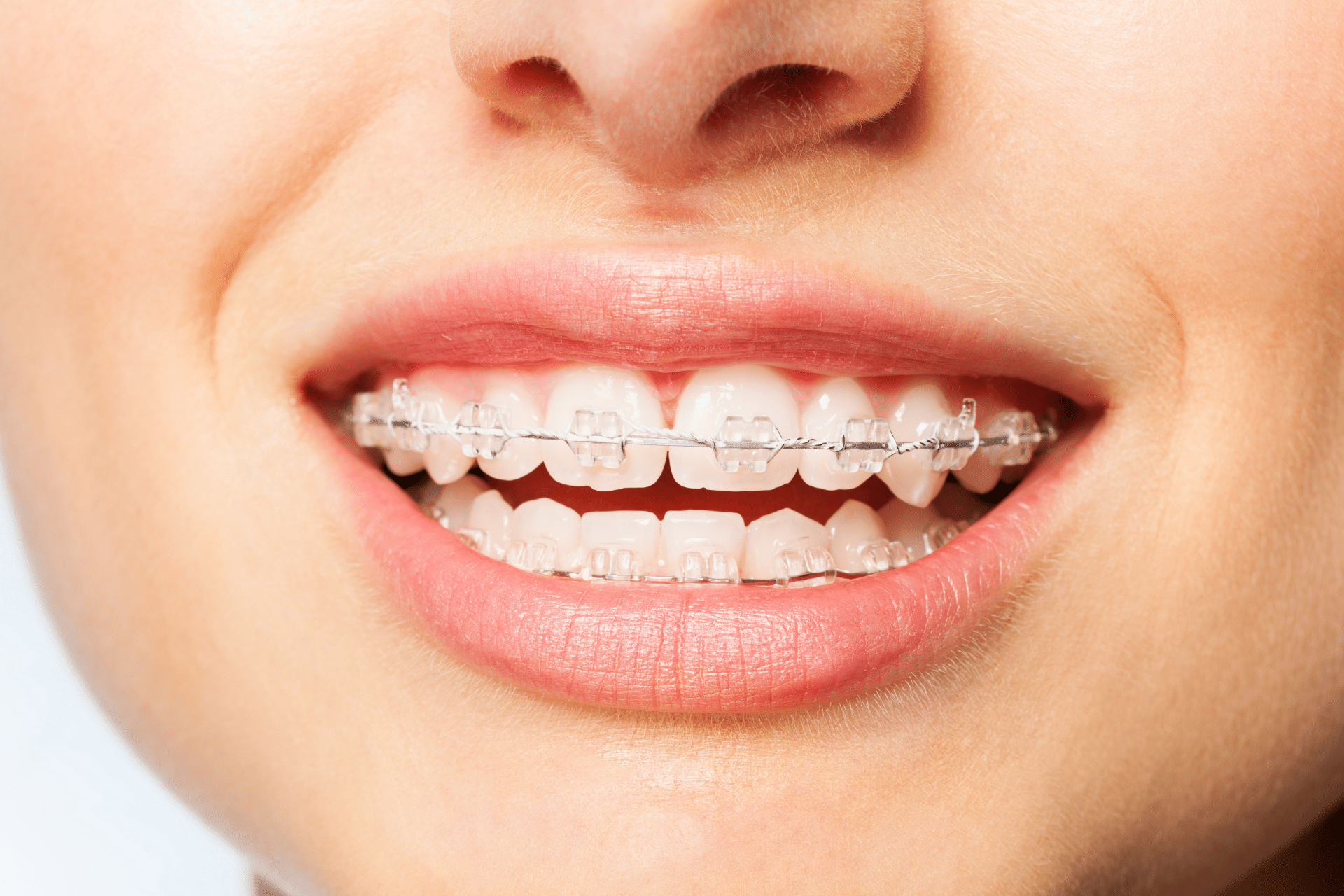
Metal braces are usually the stronger option when durability is the main concern. Ceramic braces, however, are less noticeable because their clear or tooth-colored materials blend in more with the teeth.
That difference does not make one type the best choice for everyone. Your orthodontist also needs to consider how your teeth fit together, how much movement is needed, and how well you can care for the appliance.
Ceramic braces may be a good fit for patients who want fixed braces that are less easy to notice. Clear braces are often considered by patients who have appearance concerns, while metal braces remain a common option. The choice should still match the way your teeth need to move and how the braces will fit into your daily life.
Good habits matter with either option. Avoiding hard foods, wearing a mouthguard for contact sports, cleaning around the brackets, and reporting a loose part can help keep treatment on track.
Ready to Take the Next Step Toward a Healthier Smile?
You do not need to choose between ceramic and metal braces before seeing an orthodontist. A professional exam can show what your teeth need and help you understand the treatment options that may work for you.
At Drobocky Orthodontics, Dr. Shrestha can examine your teeth, answer your questions, and explain what treatment may involve. Schedule a consultation in Bowling Green, KY to get started and learn how orthodontic care can help you move toward a healthier, more confident smile.